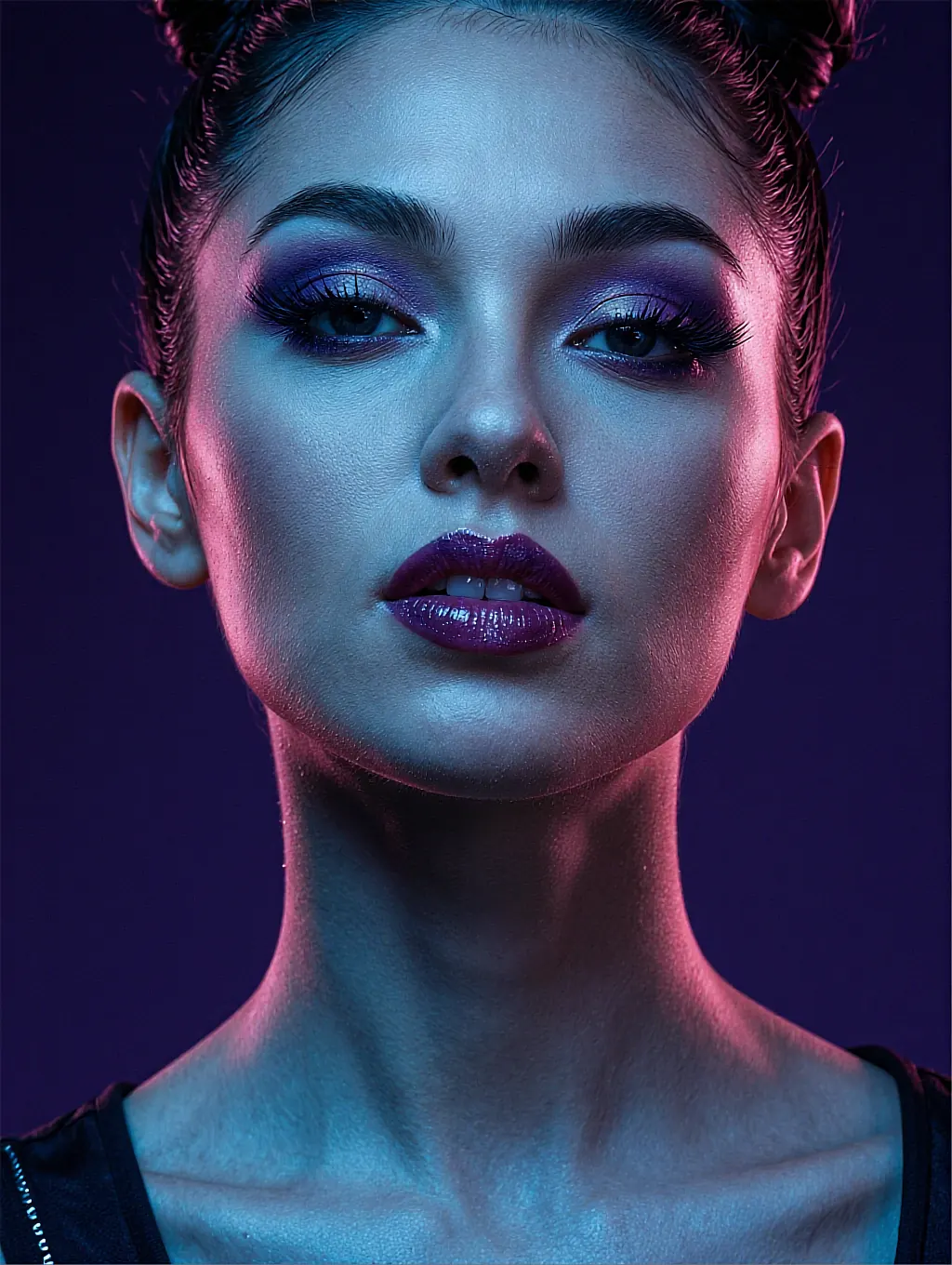
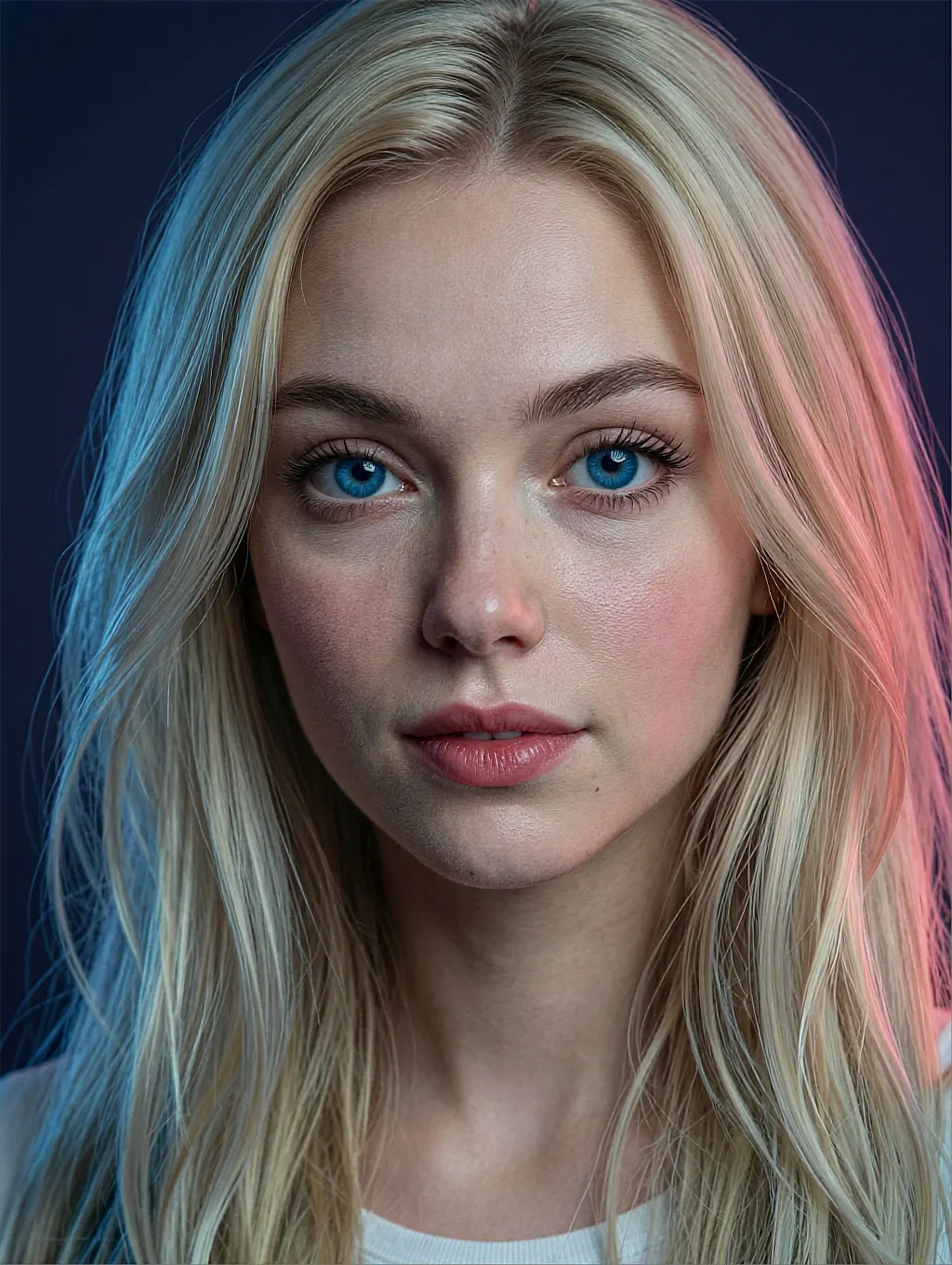
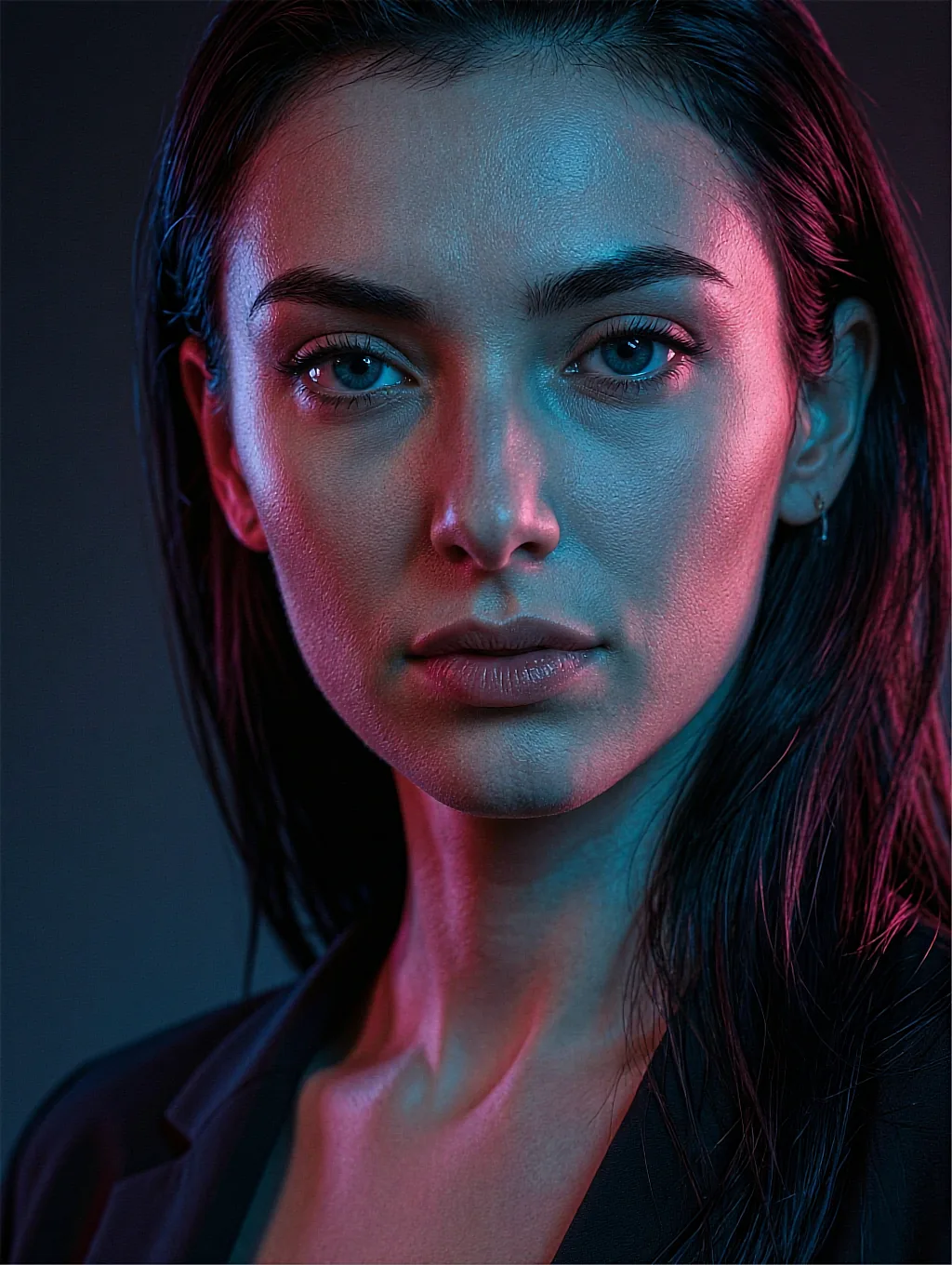
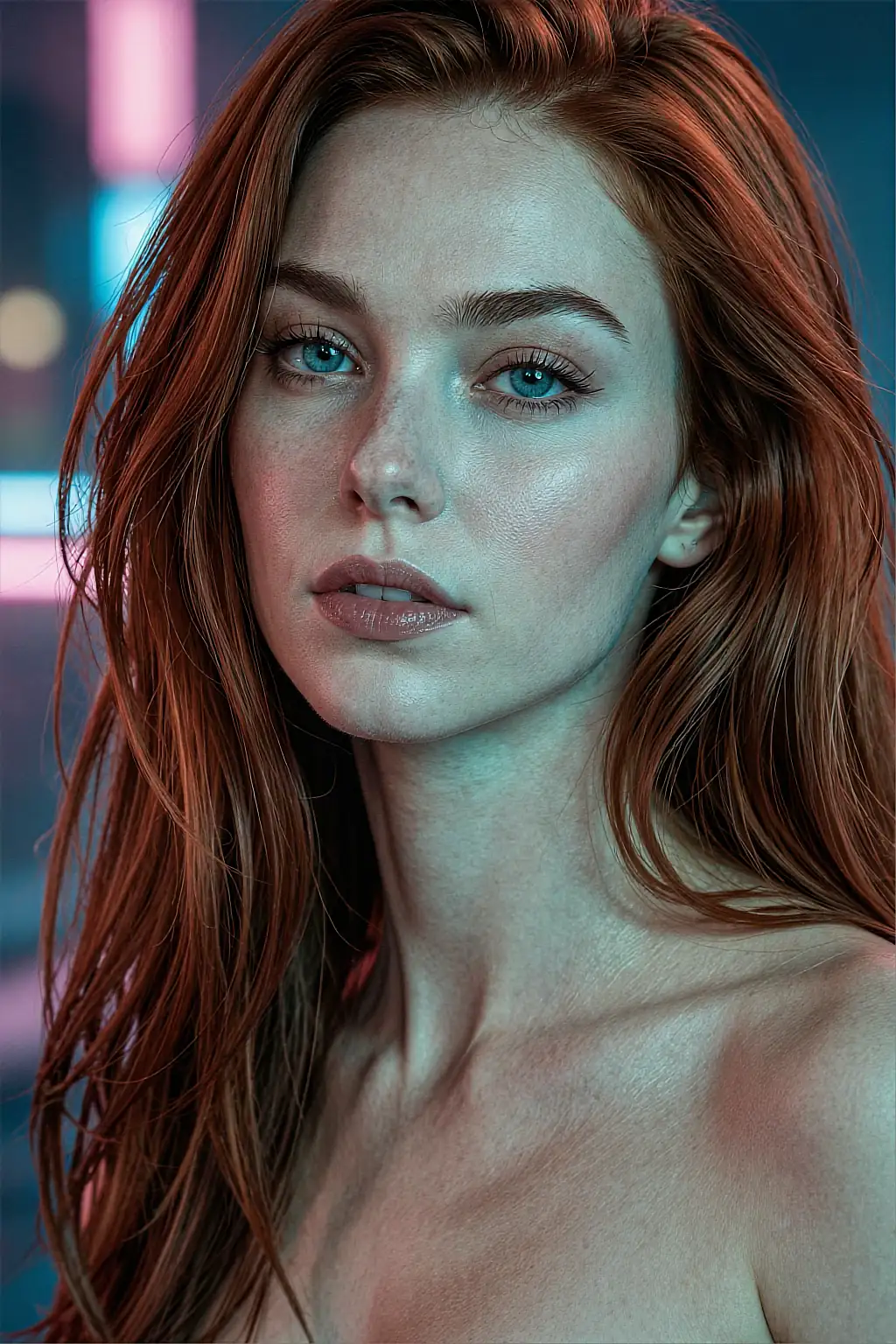
Studio PortraitsNeon NoirGolden HourDark GlamBoudoirCandlelightStreet at NightDaylightLuvrAI ArtStudio PortraitsNeon NoirGolden HourDark GlamBoudoirCandlelightStreet at NightDaylightLuvrAI Art
Four decisions
What makes a portrait look real
01
Distance
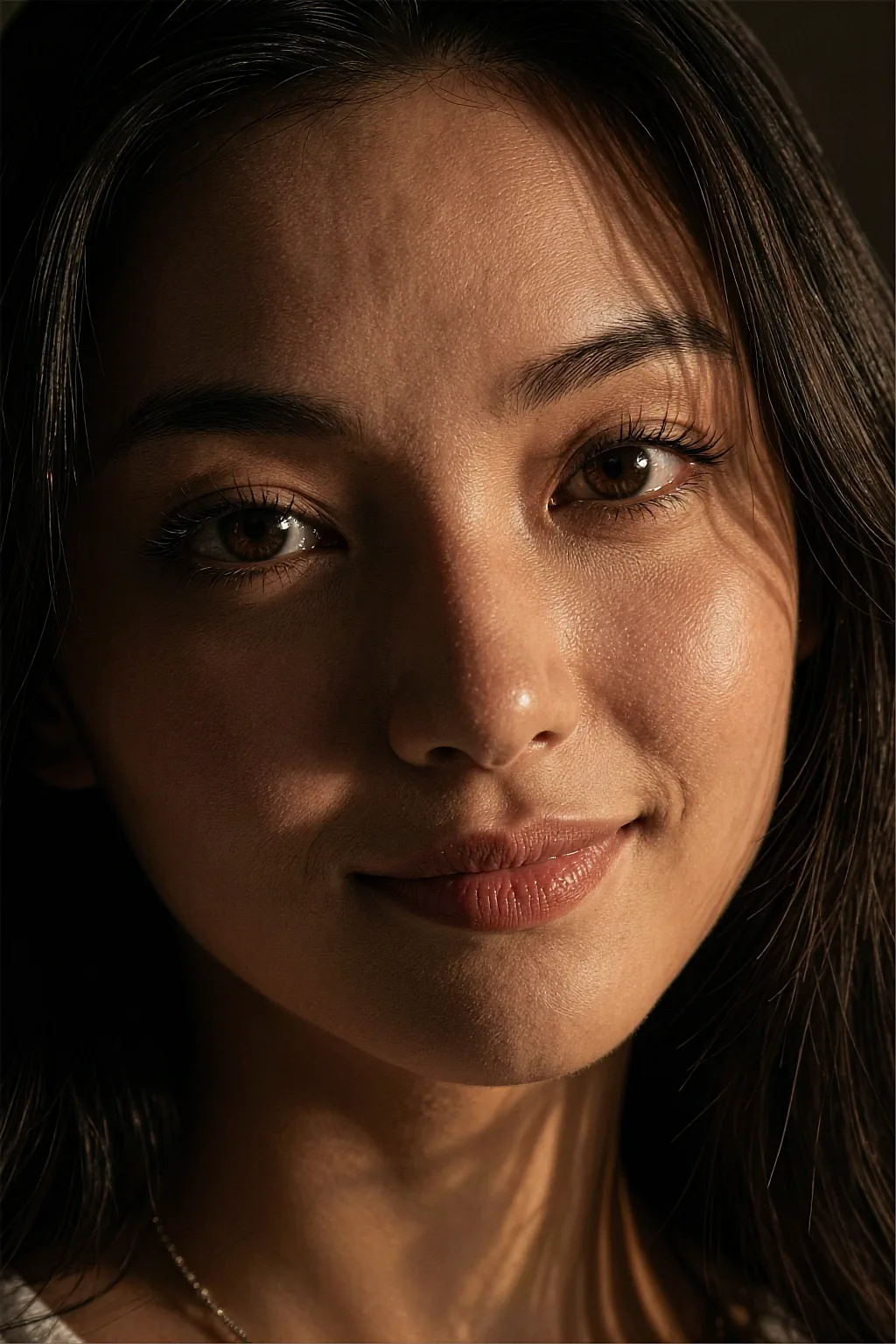
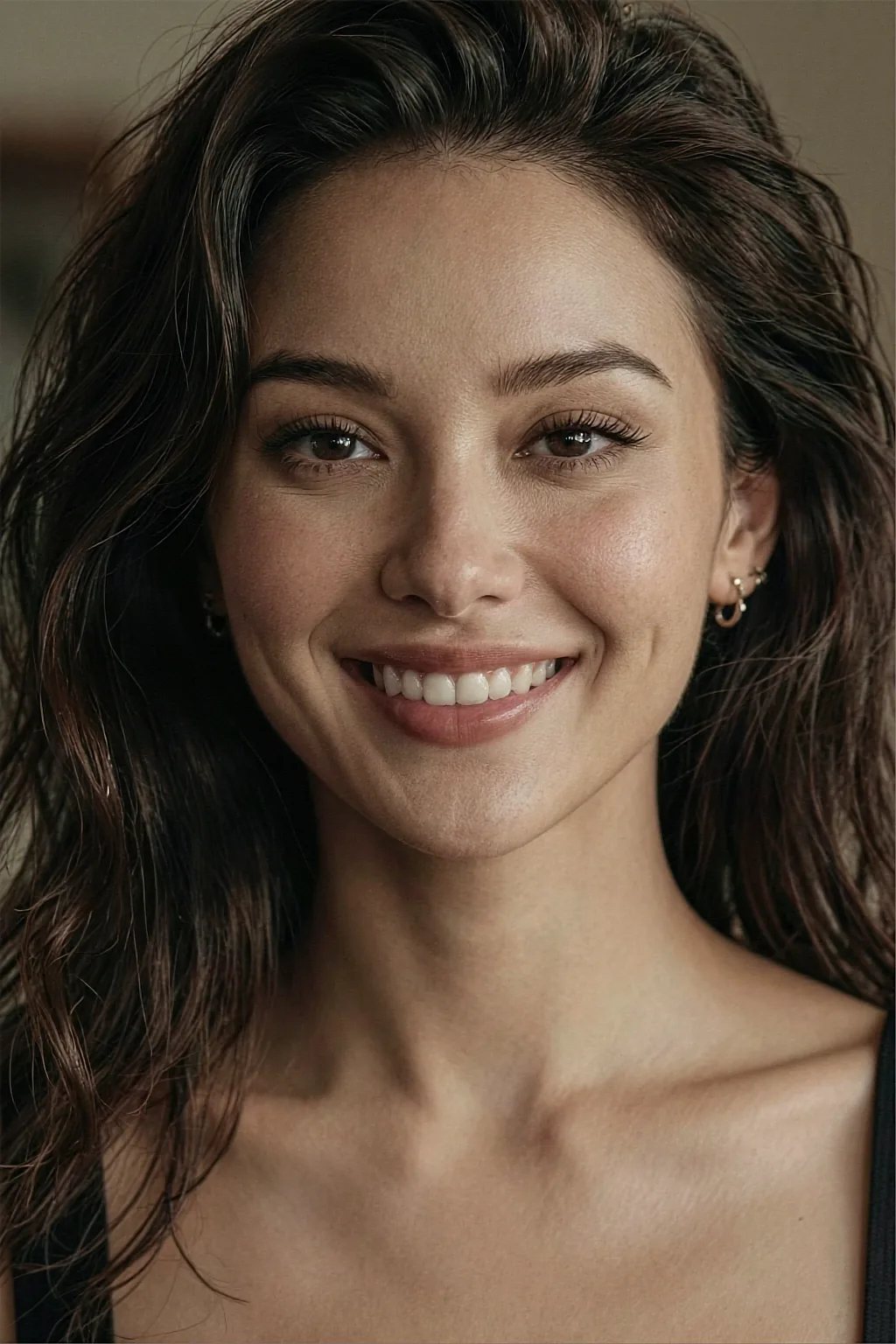
Shoulders-up framing hides nothing and forgives nothing. Say “close-up” or “head and shoulders” and the face fills the frame.
02
Key light
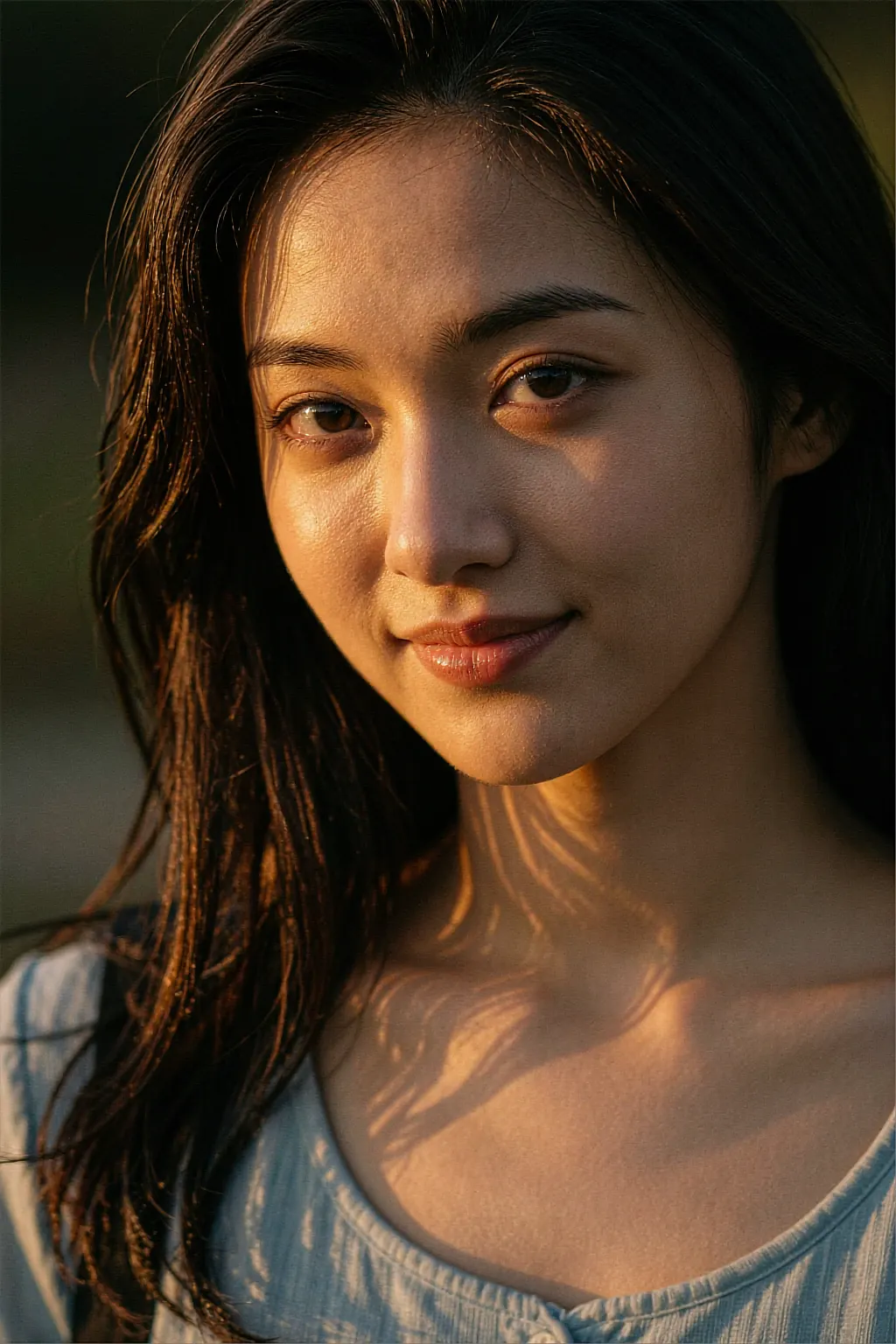
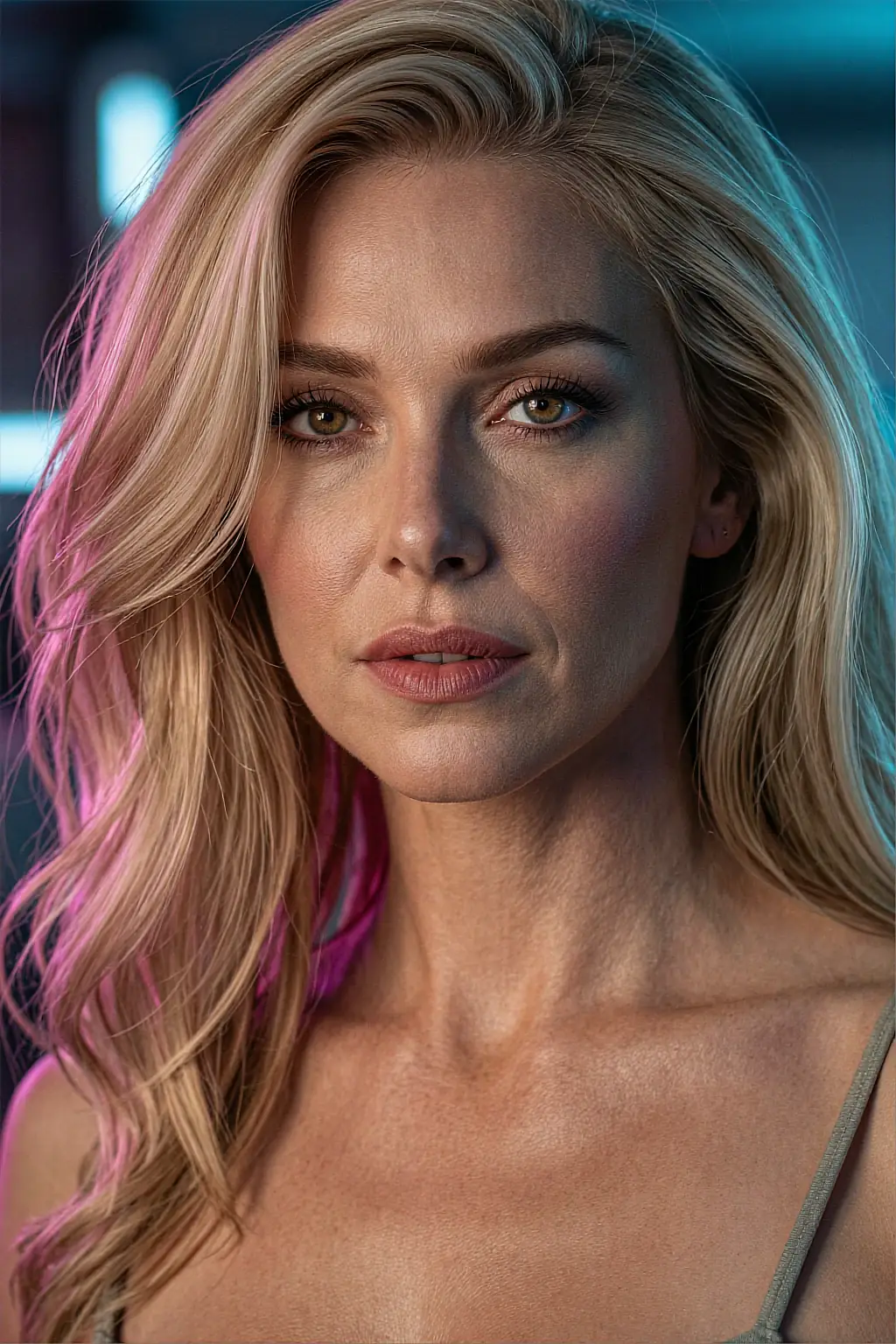
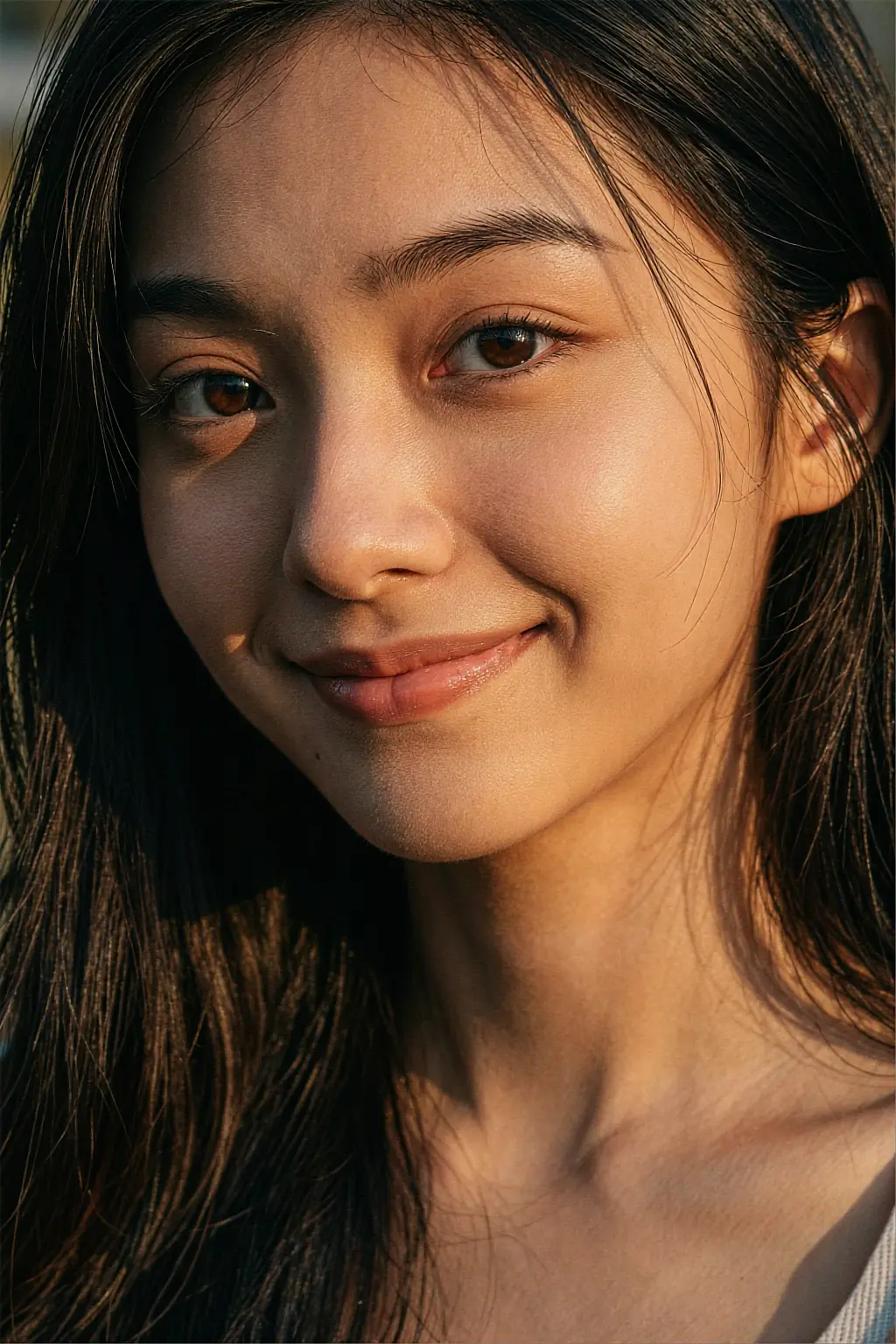
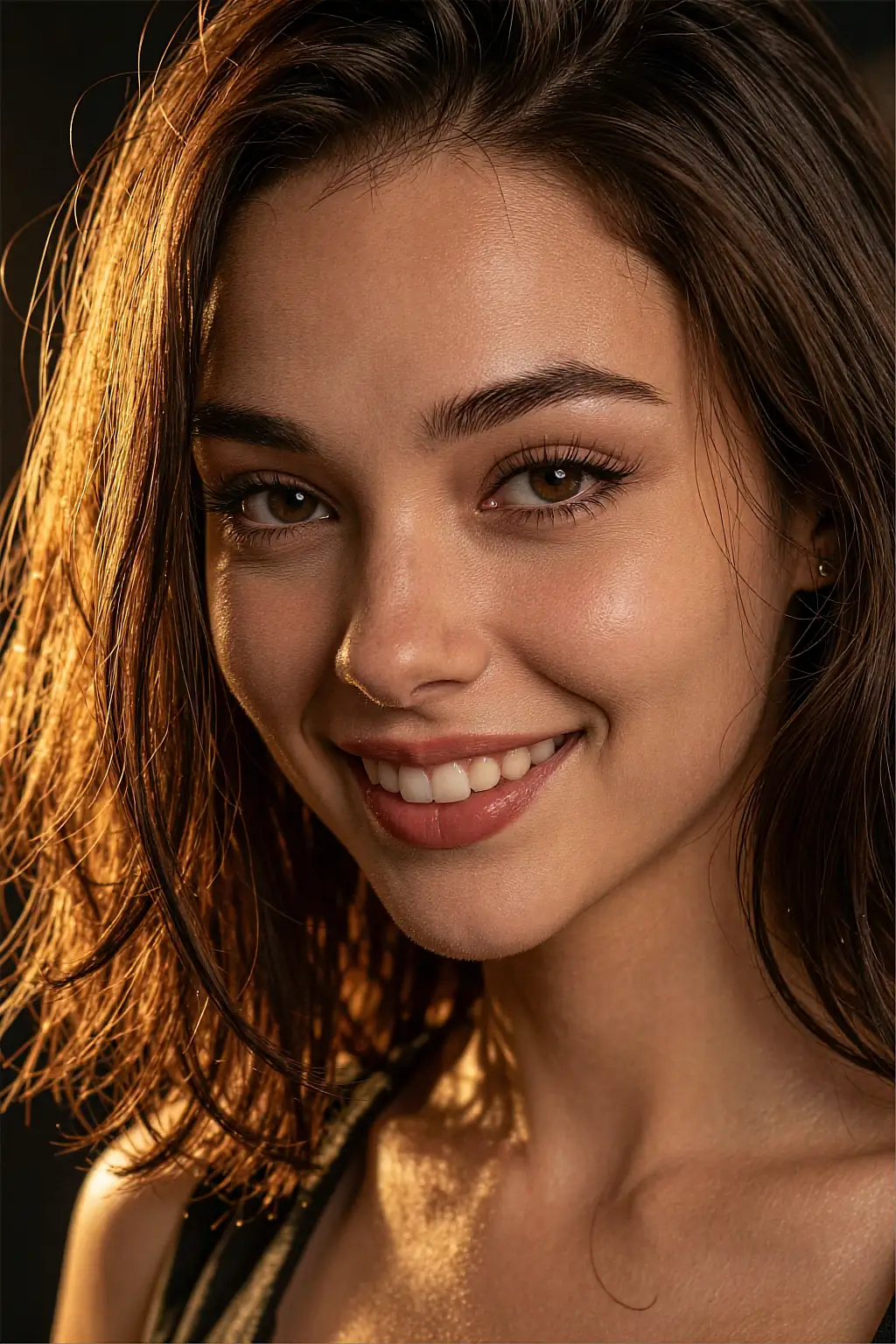
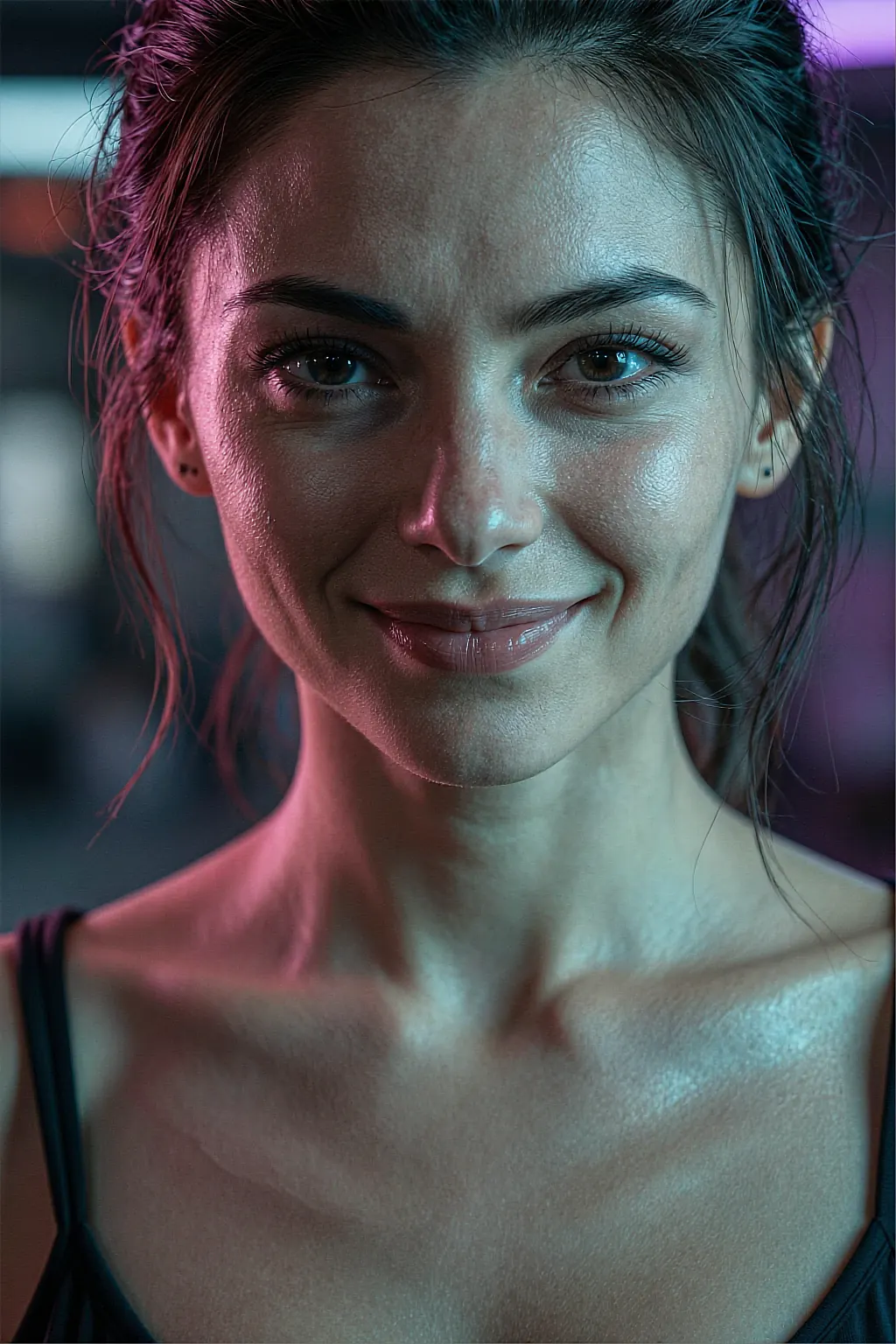
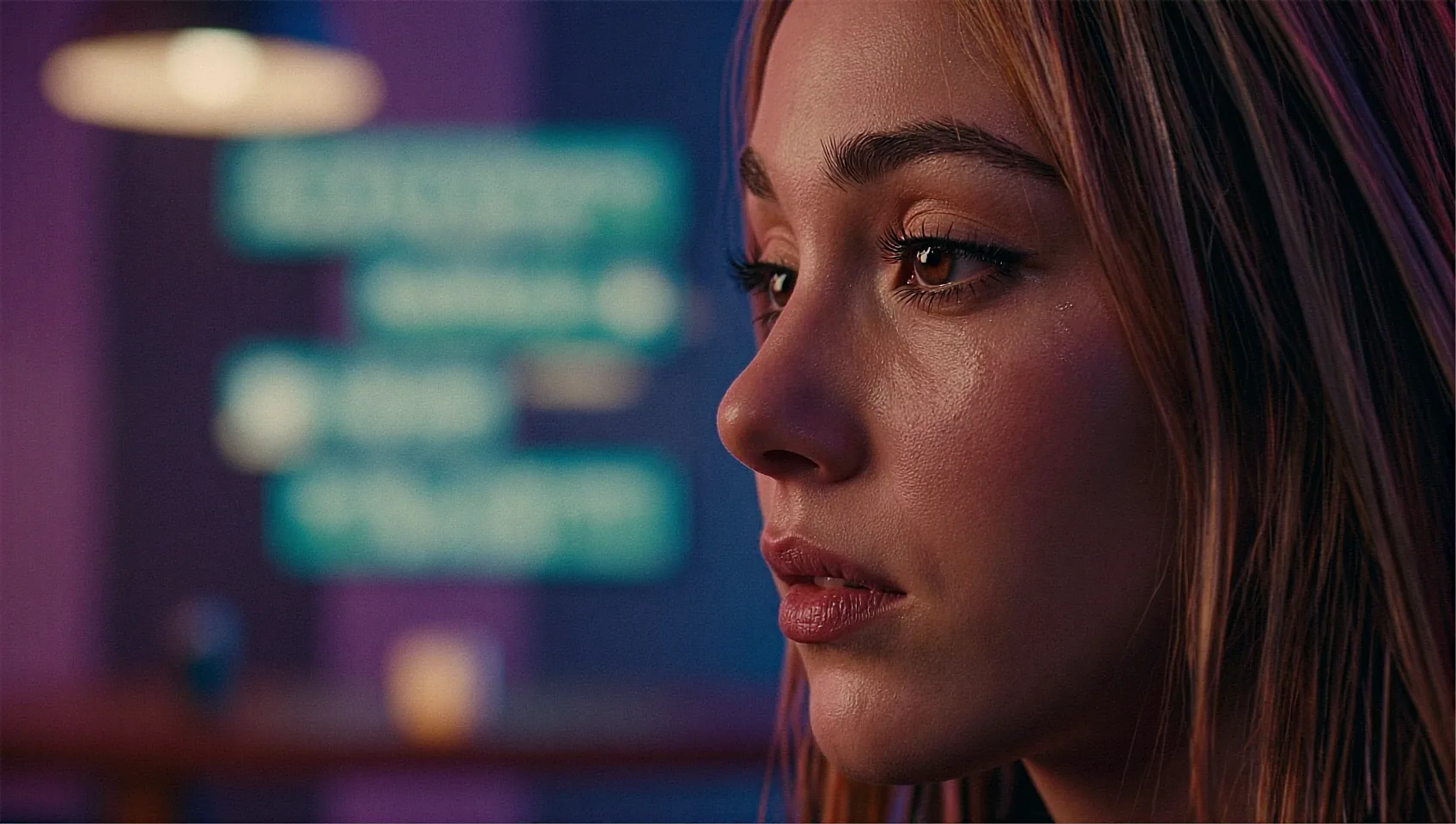
Pick one main light and say where it comes from: a window on the left, a warm lamp, a neon sign behind. One named source looks more real than “good lighting”.
03
Texture
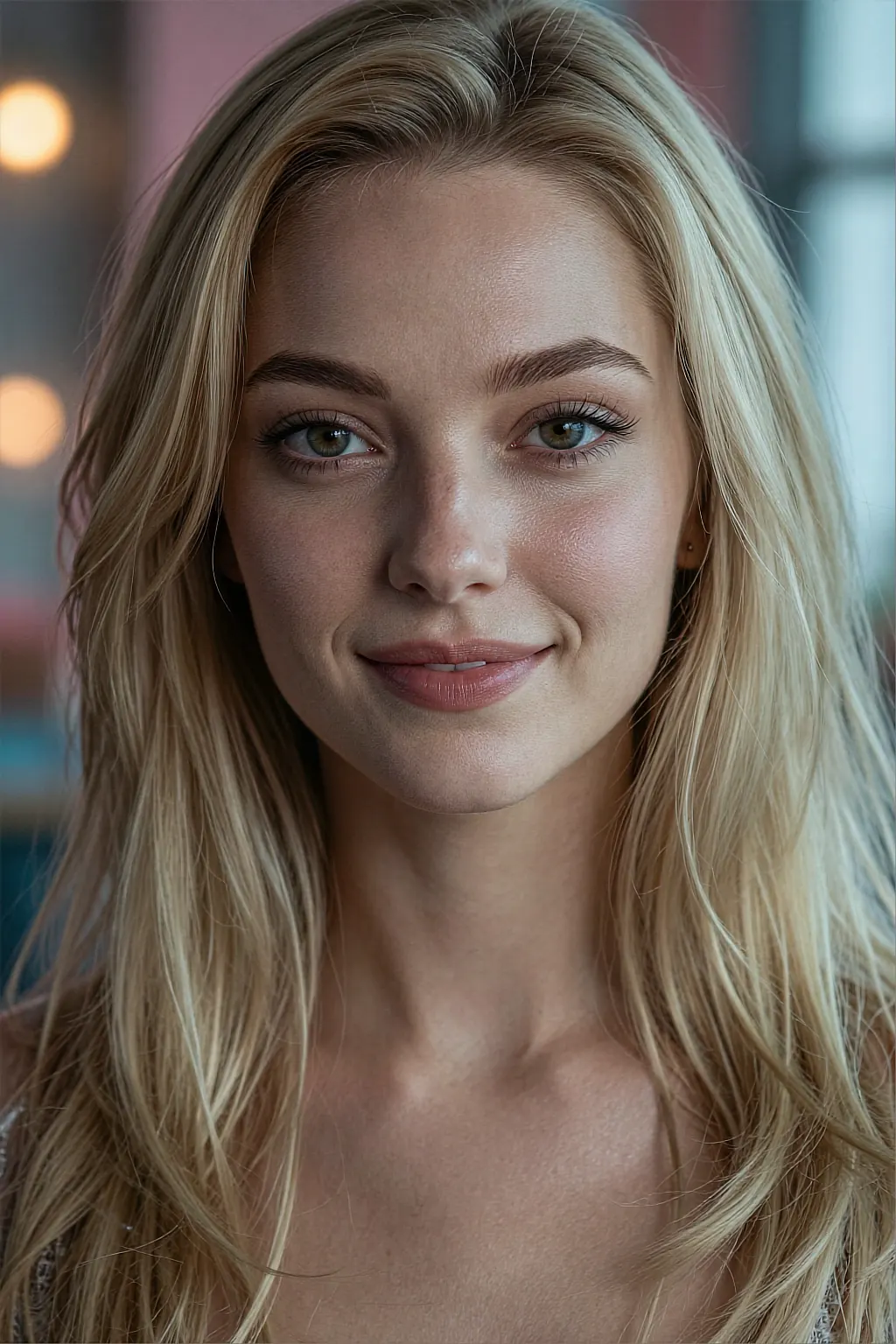
Freckles, fine hair, a little shine on the skin. Asking for “natural skin” keeps the picture away from the plastic look.
04
Expression
A small, specific expression — a half smile, looking just past the camera — does more than “beautiful” ever will.
Close-ups
Twelve portraits, twelve light setups
Background
Mood lives in the background
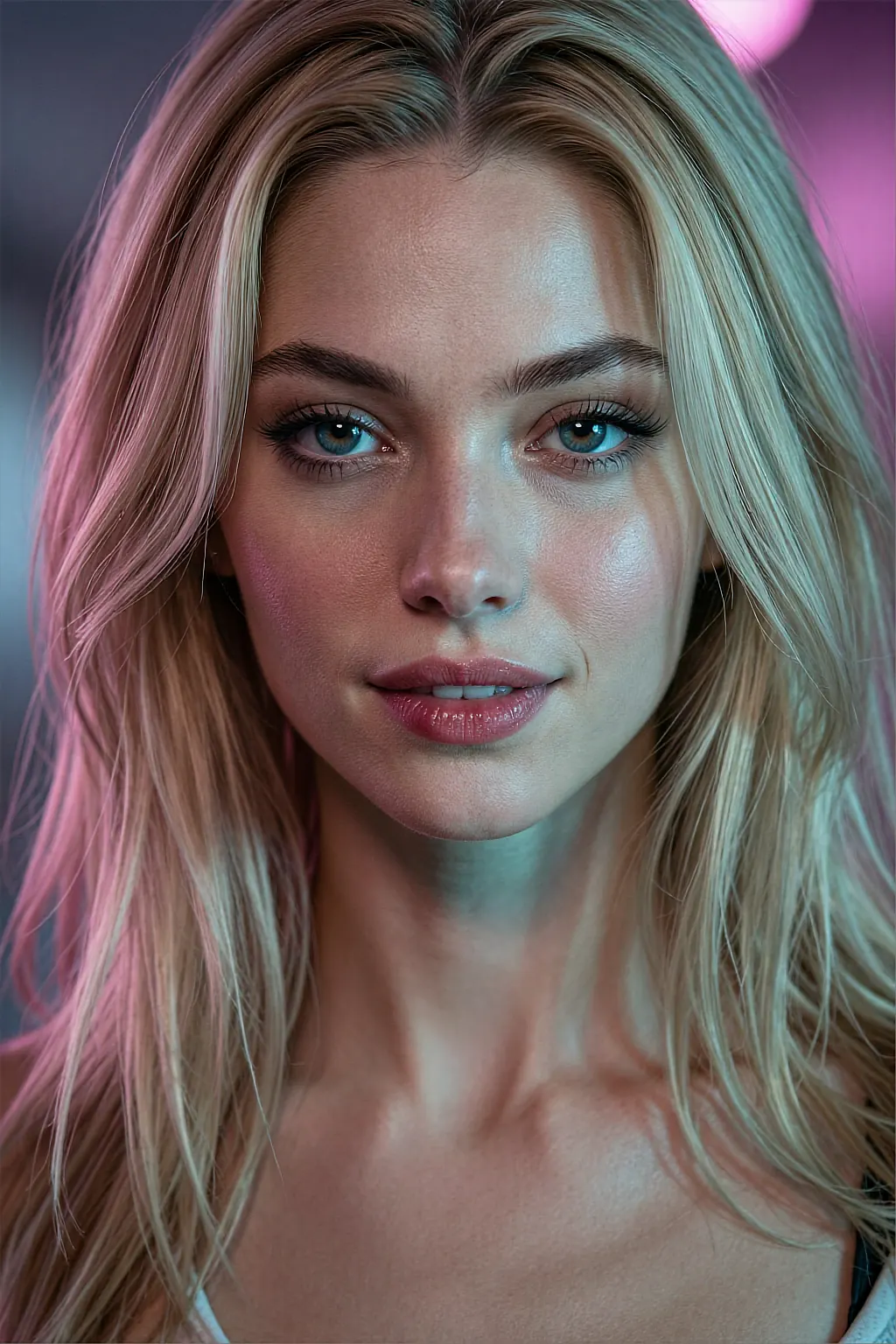
Even in a close portrait, the background sets the temperature. Blurred neon says night and city; a dark plain wall says studio; warm bokeh says restaurant or home.
Try a profile now and then. Turning her away from the camera, with a sign glowing behind, gives a quieter and more cinematic picture than another straight-to-camera smile.
Usually too much smoothing and flat, sourceless light. Name one light source and ask for natural skin texture and the picture gets noticeably more photographic.
Create the character's appearance once and keep asking for pictures of that same companion instead of describing a new face every time.
No. “Close-up, lamp on the left, dark room” works fine. The table on this page covers the only framing words worth knowing.
No. They are AI-generated pictures of fictional adult characters, used here as style examples.
One light, one face,one good portrait.
Try the studio line first, then play with distance and background on GoLove.